 Anhui Tanjie Internationale Handel Co., Ltd.


The November warehouse floor is a mess. Pallets scrape, fine dust settles into every crack, and by the end of the shift that concrete looks less like a floor and more like a crime scene. You stare at it. You stare at the mop. You stare at the bucket of gray water. And somewhere in the back of your brain, one question finally breaks through: why am I still doing this by hand?
What exactly is an automatic vloerschrobmachine , and why do so many operations teams treat it like the single best purchase they made last year? Think of it as a tireless night-shift worker cast in steel and plastic. It drives across your floor, sprays detergent, scrubs with rotating discs, sucks up the dirty slurry, and keeps rolling. No breaks. No back aches. No "I need a five-minute coffee."
Hand mopping a thousand square meters takes roughly forty-five minutes of wet, heavy, repetitive labor. A ride-on auto scrubber covers that same ground in under four minutes. The gap between those two numbers is not a difference. It is a chasm, and once you fall on the machine side, you stop understanding how anyone kept the other side.
Here is how the machine actually works, stripped to the basics. The core component is the squeegee and recovery system paired with a sealed dirty-water tank . Underneath the wheels, rotating brush discs—usually spun polypropylene or heavy nylon—agitate the soapy solution at several thousand RPM, breaking the bond between grime and floor. The squeegee blade, typically silicone or polyurethane , scrapes the surface in one clean pass while a small vacuum motor pulls the slurry back into the tank. No magic. No mystery. Just physics doing a job that a mop and a bucket do about twenty times slower. It is like upgrading from a garden hose to a pressure washer, except the hose is already scrubbing for you.
Nu, what should you actually look at before you drop a real budget on one? Four numbers. Battery chemistry and run time. Dirty-water capacity. Brush or pad width. Drive speed and turning radius. That is the entire spec sheet you need to decide whether the machine fits your space or just becomes a very expensive paperweight in the corner.
Industry data from the Clean Equipment Association puts the average return-on-investment for a commercial auto scrubber at under fourteen months. Factor in the labor hours you are cutting, the chemical volume you are reducing, and the slip-and-fall insurance premiums that quietly drop, and the math gets frankly annoying for the hand-mop crowd. You are not buying a toy. You are buying back an afternoon, every single day, for the rest of the year.
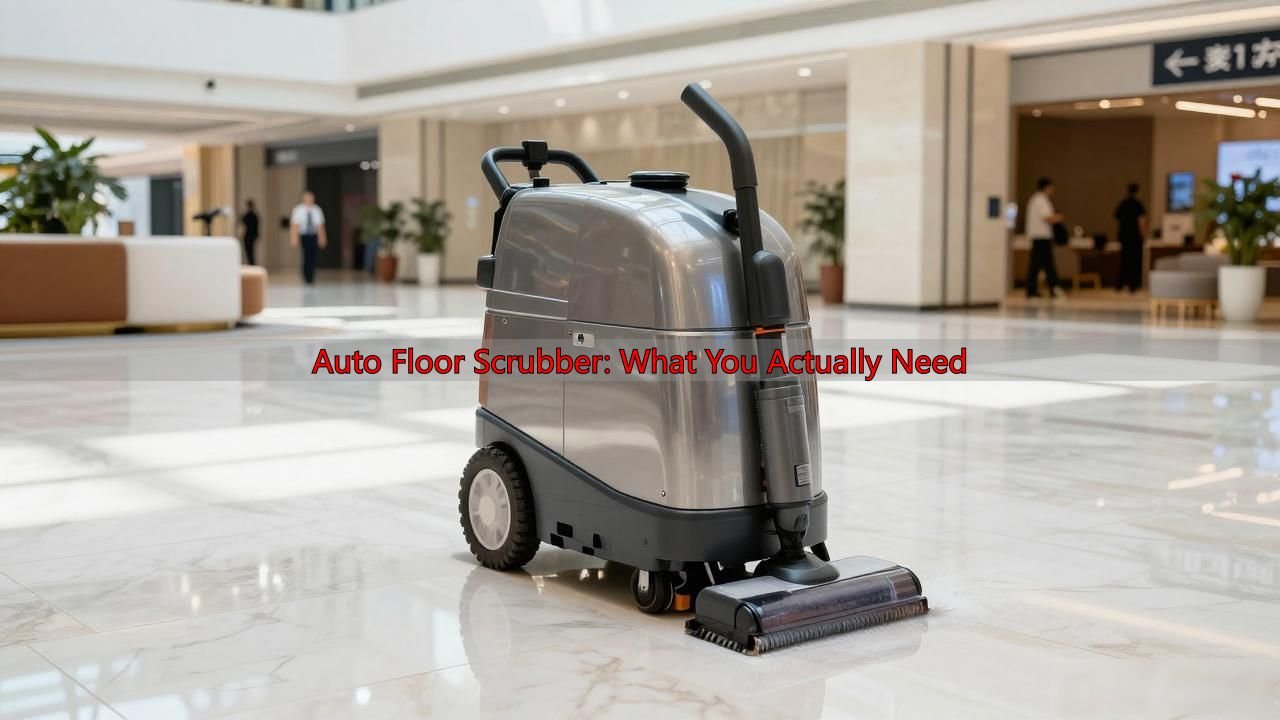
This is where Anhui Tanjie Internationale Handel Co., Ltd. , the dedicated export arm of Anhui Tanjie Environmental Technology Co. , enters the conversation. They design, manufacture, and ship a full line of automatic floor scrubbers, from compact two-hundred-liter walk-behind units all the way to heavy-duty ride-on machines that swallow ten-thousand-square-meter distribution centers for breakfast. One supplier. One technical team. One warranty desk. No juggling five factories across three provinces while a freight forwarder quotes you a different price every Tuesday. You get the machine, the operator training manual Automatic floor scrubber , and the replacement parts catalog in a single package, and that simplicity is not a small thing.
September is in the air. Leaves are dropping. Rain is dragging fresh mud through every loading dock. The warehouse floor you "cleaned" last July is already a layer cake of grime, and the Q4 rush is about to pile more traffic on top. An automatic floor scrubber does not care about the season. It does not get sick. keep adding them every autumn.
A logistics hub outside Hefei ran their old manual cleaning crew through the third quarter. Slip reports. Strained backs. Missed cleanings. In Q4 they swapped in two Tanjie ride-on scrubbers and let the operators handle the floor solo. Incident reports dropped to zero within the first month. The concrete went from "I can see last Tuesday's spill" to "I can see my reflection." Same crew size. Same square footage. Different machine. The before-and-after photos the site supervisor posted to the internal group chat got more likes than the annual team dinner pictures.
Where is this heading next? The next generation of automatic floor scrubbers is already rolling off the production line with LiDAR-based navigation , AI obstacle detection , En cloud-connected usage analytics that tell a facility manager exactly which zone needs attention before she even walks onto the floor. The "set it and forget it" era is not a marketing slogan anymore. It is a shipping product roadmap, and the machines arriving in 2027 will navigate themselves, clean themselves, and file their own maintenance reports. The floor will clean itself in the way that matters, and the human job will finally shift from mopping to managing .
So go back to that November warehouse floor. The concrete is still stained. The bucket is still sitting in the corner, gray and heavy. But now you know the alternative. You know what a two-thousand-square-meter-per-hour machine does while your crew drinks tea and checks phones. You know the numbers. going to buy before the answer starts to feel obvious?